

Brisbane doesn’t politely “weather” your exterior. It bakes it, steams it, and blasts it with UV until cheaper coatings start looking tired.
Pick a finish that can handle heat, humidity, and dirty summer storms, and do it in a way that won’t have you repainting out of spite in five years.
Hot take: most exterior failures aren’t the product’s fault
They’re the system’s fault. Wrong primer. Damp substrate. No mesh where movement was guaranteed. A nice-looking topcoat slapped over a problem wall.
I’ve seen immaculate texture coats fail because someone ignored one hairline crack that was basically yelling, “I move.” When you’re tackling exterior rendering and texture coating Brisbane, factor in every potential point of movement before the first coat goes on.
One-line truth:
Good rendering is 40% materials and 60% prep.
Brisbane climate reality check (and what it means for finishes)
If you’re choosing finishes like Brisbane is mild and dry, you’ll pay for it later. This city is hard on facades in a very specific way:
– UV is relentless, so pigment stability matters more than you’d think
– Warm, humid stretches encourage algae and mould on shaded elevations
– Sudden rain can wreck curing if your timing is sloppy (or optimistic)
– Thermal expansion is real, especially on darker colours and exposed walls
And if you’re close to the coast, salt load adds another layer of fun.
Now, this won’t apply to everyone, but if your wall gets morning shade and afternoon humidity, expect growth on anything even slightly porous unless your maintenance is consistent.
What to judge before you even talk about “texture”
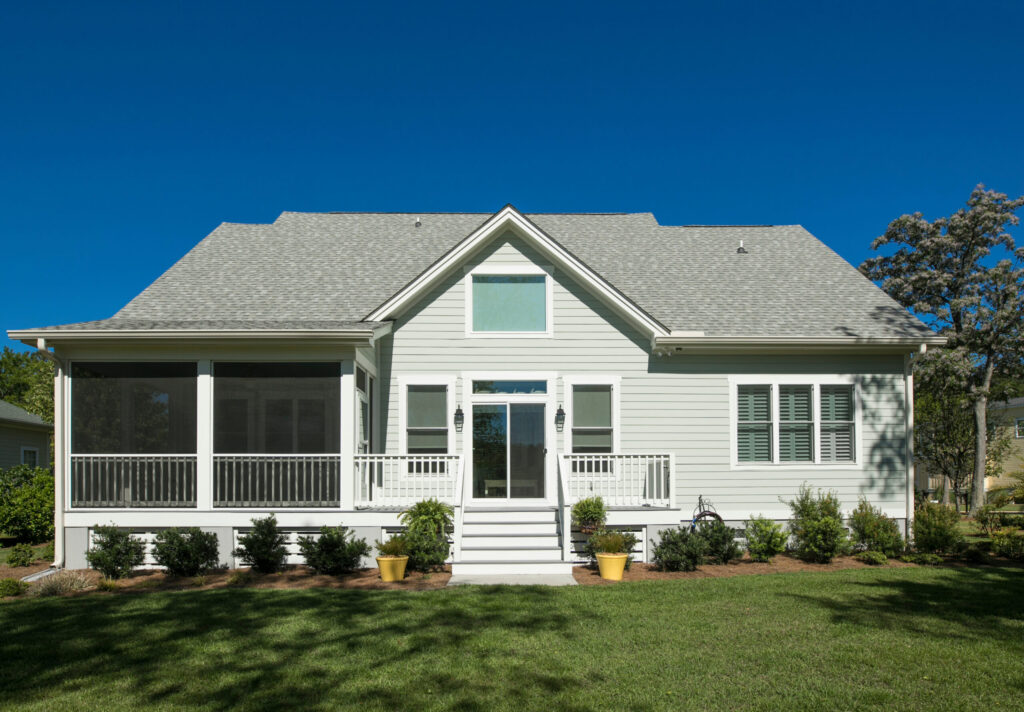
Some clients start with, “We want a sand finish,” or “We like that smooth, modern look.” Fair. But if the substrate and movement profile aren’t right, texture is just decoration over future cracking.
Here’s the specialist checklist I use on site:
Substrate + movement
– Masonry, Hebel/AAC, existing render, painted brick, FC sheet… all behave differently
– Look for control joints, slab edges, and where different materials meet (that’s where cracks breed)
Moisture
– Rising damp, poor flashing, leaking gutters, garden beds too high, fix those first
– Efflorescence isn’t cosmetic; it’s a warning sign
Adhesion + compatibility
– The best topcoat in the world won’t bond to chalky paint or dusty render
– Primer selection matters more than brand loyalty
Exposure mapping
North and west faces in Brisbane take punishment. South faces stay damp longer. Same house, different problems.
A quick comparison: cement vs acrylic vs lime (Brisbane edition)
Cement render: strong, common, and… a bit unforgiving
Cement render is the default for a reason. It’s robust, affordable, and suits solid masonry. But it’s not “set and forget.”
If the substrate moves, cement tends to crack instead of flex. That doesn’t mean “never use it.” It means you design around movement: joints, mesh, correct thickness, and realistic expectations.
Acrylic render / polymer-modified systems: more flexible, more tolerant
Here’s the thing: acrylic-modified renders can be excellent in Brisbane because they tolerate movement better and handle impact well. They also bond nicely to tricky substrates when used as part of a system.
The trade-off? Poor application can trap moisture. Too thick. Wrong layer build-up. Coated over damp walls. That’s when bubbling, peeling, and staining show up.
Lime render: breathable and beautiful (but not for every facade)
Lime is brilliant for older homes, heritage work, and walls that need to breathe. It’s forgiving in a different way, vapour permeability can save you from moisture pressure problems that modern coatings sometimes worsen.
Downside: it’s softer, can weather faster, and usually needs a compatible breathable finish to protect it. Also, not every renderer is genuinely competent with lime (some say they are… until it starts powdering).
A data point that should influence your colour choice
Darker walls run hotter. That’s not a vibe statement; it’s physics.
On a sunny day, dark exterior surfaces can reach dramatically higher temperatures than light ones, often tens of degrees hotter, driving movement and stressing coatings. CSIRO notes that light-coloured “cool” surfaces reflect more solar radiation and can reduce heat gain compared to dark finishes (CSIRO, Cool surfaces research and guidance: https://www.csiro.au).
If you want charcoal, fine. Just accept you’re increasing thermal cycling and you’d better be serious about control joints, mesh reinforcement, and product selection.
Texture: choose it like you’ll have to clean it (because you will)
Some textures are gorgeous until the first year of mould spotting. Others hide patching like a miracle.
A few blunt observations from Brisbane jobs:
– Ultra-smooth finishes look sharp but show every ripple, trowel mark, and future repair line
– Medium textures are the sweet spot for most homes: forgiving, cleanable, not too “busy”
– Heavy, deep textures can trap grime and algae in shaded areas (especially near gardens)
And yes, texture affects maintenance. A slightly tighter finish often washes down better. That matters when you’re paying for access.
Colour, curb appeal, and the “glare problem”
White looks fresh… until it’s blinding on a western elevation at 3pm.
If you’re choosing a palette, think in zones rather than one blanket decision. I like to split facades into: high-sun planes, sheltered planes, and feature elements. Then you can go lighter where heat is brutal, and use richer colours where they won’t cook.
Low-sheen is usually your friend outside. High gloss on render is basically asking for highlight defects and uneven fading.
(Also, Brisbane light is harsh. Test your swatches in morning, midday, and late afternoon. One sample board isn’t overkill, it’s sanity.)
Installation: the unsexy part that decides everything
Some of this reads like common sense until you watch a project fail because someone rushed a weather window.
Conditions and timing
Avoid coating when rain is likely during early cure. Humidity matters too, slower drying can trap moisture and soften early layers. Extreme heat can cause rapid skinning, which can lead to crazing or weak bonds between coats.
Prep that actually counts
– Remove chalking paint, dust, and loose render properly (not just a quick pressure wash and hope)
– Treat mould before you coat over it
– Fix water entry points before aesthetics: flashing, gutters, penetrations, garden bed heights
Reinforcement strategy
Mesh isn’t optional in high-risk areas. Use it around openings, at changes of substrate, and where movement is expected. If your renderer only meshes “if you want,” that’s a red flag.
Maintenance and lifespan (realistic, not brochure talk)
Maintenance is boring, but it’s cheaper than remediation.
Most exterior coating systems in Brisbane will need a recoat somewhere around 5, 10 years depending on exposure, colour depth, and how often you clean it. If you’re on a busy road, under trees, or close to the coast, assume the shorter end.
I’d rather see a home gently washed annually than aggressively blasted every few years. High pressure can etch softer coatings and drive water into hairline cracks.
Quick seasonal check list (takes 20 minutes):
– Scan for new cracks around windows and doors
– Look for bubbling or peeling near the base of walls
– Check for efflorescence and damp staining after heavy rain
– Inspect sealants at penetrations and joints
Planning the timeline in Brisbane (a practical way to avoid chaos)
Rendering projects fall apart when scheduling ignores curing and weather.
I usually plan like this:
1) Assessment + test patches (yes, even on small jobs)
2) Repairs and moisture fixes before any new coat goes on
3) Base coats and reinforcement, then allow proper cure
4) Texture coat + topcoat, with buffer days for weather
5) Final walk-through in different light, because defects hide at noon and scream at 4pm
Look, you can’t control Brisbane rain. You can control whether you’ve booked scaffold for a week with zero float and a forecast full of storms.
One last opinion (because it needs saying)
If your renderer can’t explain why a system suits your substrate, primer, mesh, coat thickness, vapour behaviour, then you’re not buying expertise. You’re buying hope.
And hope doesn’t cure properly in humidity.